How to Start Trading as a Beginner and Choose the Best Approach for Your Goals
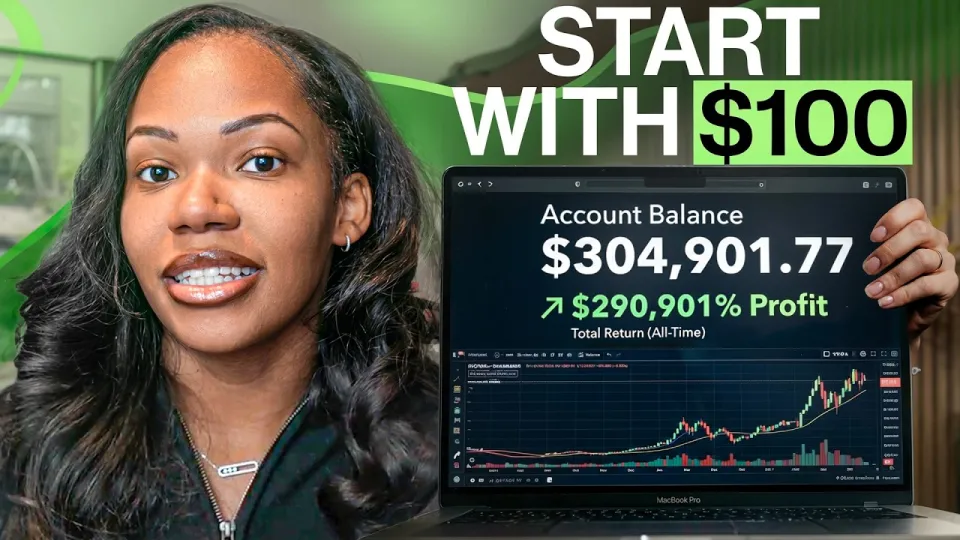
Video: How To Start Trading As A Beginner In 2026 (Step-by-Step)
You can order the same kind of articles for your own video to boost it on YouTube and Google. Just message the Telegram bot @sat_sit_bot. Articles with your video embedded are written and posted by the bot itself — on popular topical sites (no ads). Try it free: 50 articles on us.
Trading is the buying and selling of financial instruments like stocks, options, or futures with the goal of making profits from price changes. To start trading as a beginner, focus on building a solid foundation, learning key concepts, and practicing before risking real money. You can get free bonuses and join supportive communities like Sierra Aaliyah's Crystal Academy on her trading Discord to accelerate your learning.
Understanding What Trading Actually Is
Trading is not a get-rich-quick scheme but a disciplined process of analyzing markets and executing trades based on strategy and risk management. It involves speculation on price movements over different time frames. Contrary to common misconceptions, you do not need tens of thousands of dollars to start; a small account between $300 and $2,000 is enough to practice and build skills. Beginners often quit early due to unrealistic expectations and emotional stress, so patience and education are crucial.
Calls vs Puts and Options vs Futures Simplified
Options trading allows you to buy the right, but not the obligation, to buy (call) or sell (put) an asset at a specific price before expiration. Futures contracts obligate you to buy or sell an asset at a predetermined price on a future date. Options offer more flexibility and limited risk to the premium paid, while futures require more capital and carry higher risk but can offer bigger leverage. Choose options if you want a schedule-friendly and risk-defined approach; futures suit those who can dedicate more time and capital.
Choosing the Right Broker and Charting Platforms
The broker Webull is recommended for beginners due to its user-friendly interface, low fees, and free stock bonuses. For charting and technical analysis, TradingView is an excellent tool with customizable charts and indicators suitable for beginners and advanced traders alike. These platforms together provide everything needed to analyze markets and execute trades efficiently.
Essential Concepts to Master Before Trading
- Market Structure: Understanding support, resistance, and trend direction helps identify high-probability trade setups.
- Candlestick Reading: Learn how to interpret price action through candlestick patterns to time entries and exits.
- Trading Psychology: Develop emotional control, patience, and discipline to avoid impulsive decisions.
Starting with paper trading (simulated trading) is critical. If you cannot consistently double a small amount in a simulated environment, risking real money is premature. This practice builds confidence and refines strategies without financial loss.
Overcoming Common Beginner Challenges
Many new traders struggle with losing trades, confusion over strategies, and inconsistent profits. Key reasons include:
- Reacting to short-term noise instead of higher timeframes
- Lack of a clear trading plan and risk management
- Emotional trading due to fear or greed
To avoid these pitfalls, focus on steady progress, use risk limits, and seek mentorship or community support. Trading is about consistent small wins, not chasing big jackpots.
Useful Links
- Join Sierra Aaliyah’s Crystal Academy for mentorship and community: https://whop.com/c/crystal-academy/youtube
- Open a Webull account to start trading with free stock bonuses: https://www.webull.com/k/SierraUSA
- Follow Sierra Aaliyah on Instagram: https://www.instagram.com/sierra.aaliyah/
- Follow on TikTok for tips and updates: https://www.tiktok.com/@sierraxliyah
Conclusion
Starting trading as a beginner requires realistic expectations, solid education, and disciplined practice. Focus on understanding fundamental concepts like calls vs puts, options vs futures, and market structure. Use beginner-friendly tools like Webull and TradingView, and always begin with paper trading to minimize risk. Sierra Aaliyah’s approach, based on her real experience from $1,400 to full-time trading, offers practical and accessible guidance for anyone ready to learn. Join her community through the Crystal Academy to support your trading journey and improve your chances of success.
Key takeaways
- Start trading with $300–$2,000, not $10K or more
- Understand basics: calls vs puts, options vs futures
- Use Webull as a broker and TradingView for charts
- Paper trading is essential before real money trading
- Master market structure, candlesticks, and trading psychology
Source: How To Start Trading As A Beginner In 2026 (Step-by-Step) · Markdown version
Questions & answers
Is it necessary to have a large amount of money to start trading?
No, you do not need a large sum to start. Beginners can begin trading effectively with as little as $300 to $2,000. Starting small helps manage risk and build skills without excessive pressure.
What is the difference between calls and puts in options trading?
Calls give you the right to buy an asset at a set price before expiration, while puts give you the right to sell. Calls are used if you expect prices to rise, puts if you anticipate a decline.
Why is paper trading important before using real money?
Paper trading allows you to practice and test strategies without risking actual capital. It helps build confidence and ensure you can consistently profit before trading live.
Can beginners expect to make consistent profits quickly?
Consistent profitability takes time, education, and discipline. Most beginners face losses initially, and patience is essential to develop skills and emotional control required for success.